
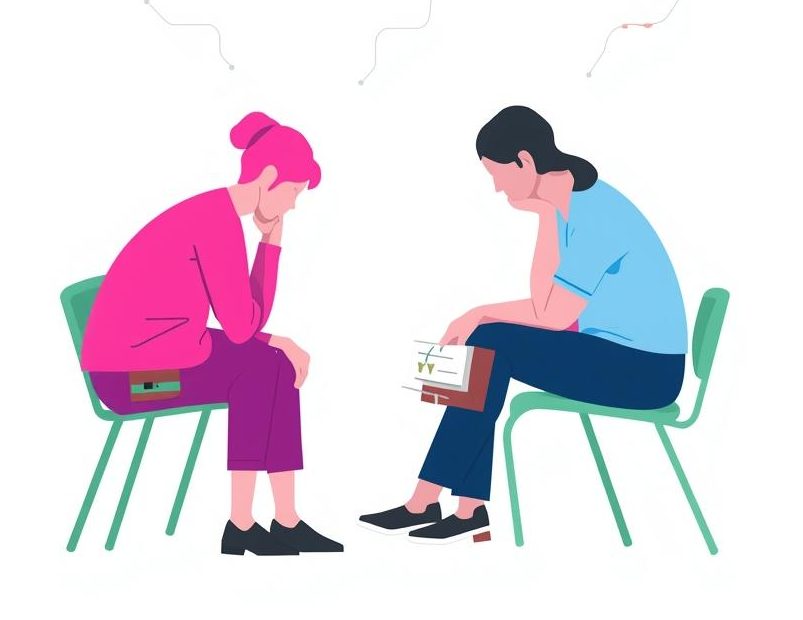
Not every message is spoken. In fact, research shows that up to 70% of communication is non-verbal. A slouched posture, a sigh, a hand left hanging in need of support — these subtle cues often speak louder than words.
At Nurse Assist 24/7, we believe silence isn’t empty. It’s full of meaning — if only we’re willing to notice.
The Silent Language of Care
Support work is emotional, and not everyone can always express how they feel. Participants may hesitate to share struggles out loud, or carers might mask their fatigue with a quiet “I’m fine.” That’s where non-verbal cues step in.
-
A participant avoiding eye contact may signal discomfort.
-
A support worker with slumped shoulders may need encouragement.
-
A smile that doesn’t reach the eyes might mean more than the words spoken.
When we tune into these silent signals, we don’t just care for people — we care with them.
Why It Matters in Disability Support
In the NDIS space, communication is more than paperwork and plans. It’s about connection. Recognizing non-verbal cues helps us:
✅ Build deeper trust with participants
✅ Prevent misunderstandings before they escalate
✅ Create safe, supportive environments where people feel seen
For families, it means knowing their loved one is not only heard, but understood — even without words.
Practical Tips: Reading Silence Better
Here’s how carers, families, and even participants can tune in:
-
Notice posture and gestures — Are arms crossed? Is someone leaning away?
-
Watch facial expressions — A small frown can reveal more than a long explanation.
-
Listen to tone, not just words — Sometimes “I’m okay” means “I’m not okay.”
-
Create space — Silence is not always awkward. It can be healing.
Care is not just about what we say. It’s about how we show up — with our eyes, our posture, and our presence. At Nurse Assist 24/7, we’re committed to building a workplace and community where silence is not overlooked but valued. Because sometimes, the most important conversations are the ones that never use words.