
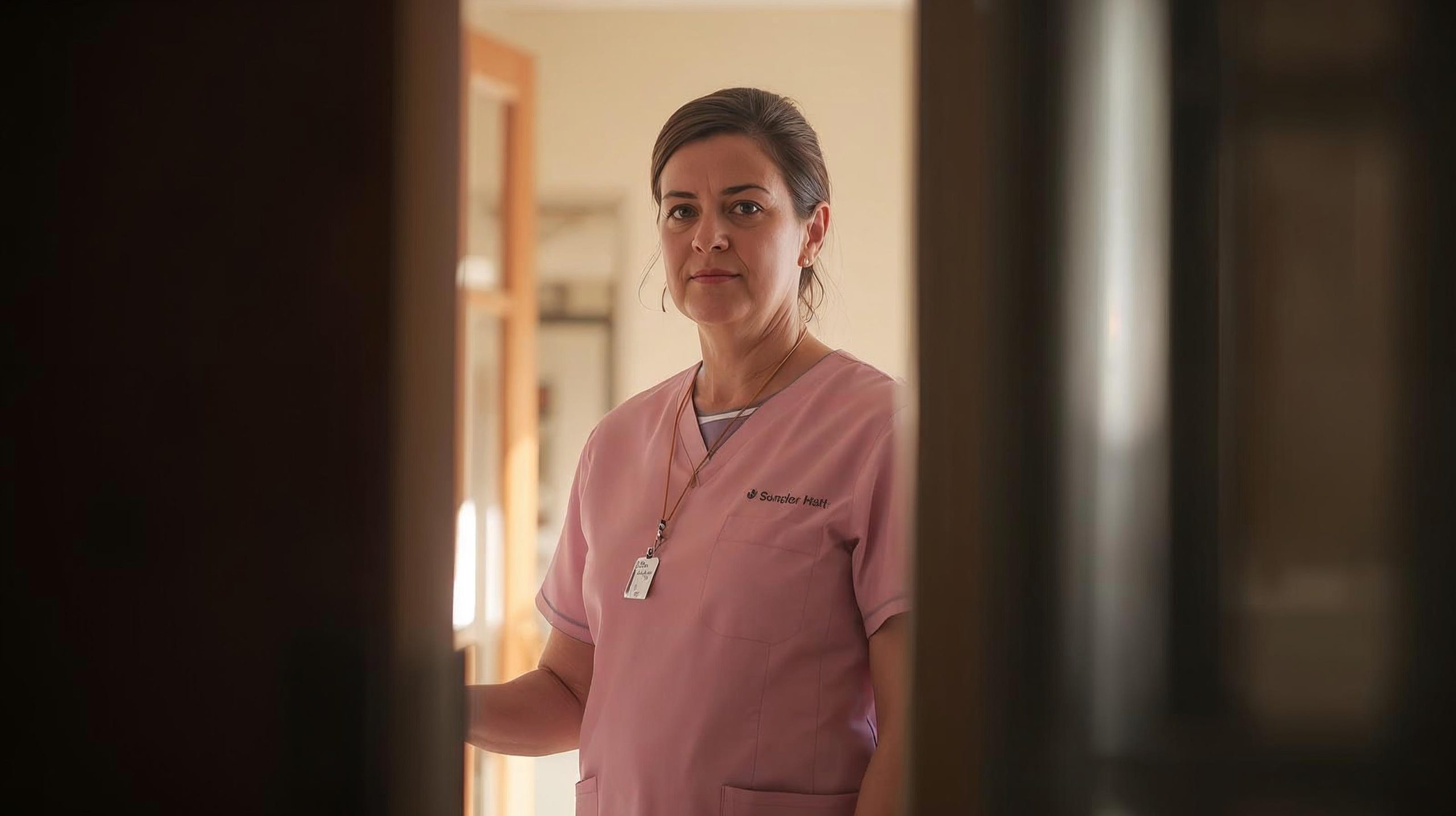
The one skill that makes disability support safer is not physical strength, technical training, or procedures — it’s the ability to remain emotionally present. At Nurse Assist 24/7, supporting individuals across Rockingham, Mandurah, Kwinana and Fremantle, emotional presence forms the foundation of the care we provide.
It is the skill that transforms a routine shift into a meaningful connection and turns a challenging moment into a safe one.
Support work is emotional long before it is practical. A person’s nervous system responds to your presence before it responds to your words. The tone of your voice, the calm in your posture, the intention behind your movement — all of these shape the emotional climate of the space.
This is why emotional presence is not a soft or secondary skill.
It is a safety mechanism.
When a support worker is grounded, regulated and aware, the person they support can feel it. They settle more easily. They communicate more clearly. Stress doesn’t build as quickly. Behaviour doesn’t escalate as sharply.
Presence is the one tool you carry everywhere — and clients rely on it even when they cannot verbalise it.
People with disability often experience the world with heightened sensitivity. Noise, routine changes, sensory triggers, communication barriers — these realities mean the environment is constantly asking them to adapt.
A support worker who is emotionally present does something powerful:
they become the calmest person in the room.
They notice early signs of discomfort:
-
a shift in the person’s breathing
-
a subtle change in their tone
-
hands beginning to fidget
-
eyes avoiding contact
-
silence replacing words
These signals often appear long before a behavioural escalation.
According to the NDIS Practice Standards (https://www.ndiscommission.gov.au), safe support begins with early, person-centred recognition — not reaction.
Emotional presence makes this possible.Imagine beginning your week with this mindset: “I will be steady enough that the person I support can feel safe beside me.”
This is not poetic — it’s deeply practical.
Emotional presence improves:
✔ Behaviour regulation
✔ Communication clarity
✔ Trust and rapport
✔ Overall wellbeing
✔ Predictability in routines
✔ Family confidence in care
It also protects you as a support worker.
A regulated worker is less overwhelmed, less reactive and less emotionally drained.
When you enter the week with emotional intention, care becomes smoother, safer, and more human.
This is why Nurse Assist 24/7 continues to lead as one of the Best Disability Service Providers in Rockingham, Mandurah, Kwinana and Fremantle — because our support workers understand that presence is a professional skill, not a personality trait.
As you step into this new week:
✔ Take a breath before you enter the space.
✔ Notice the energy in the environment before giving instructions.
✔ Respond to cues early, not urgently.
✔ Be the emotional temperature regulator.
✔ Choose presence, even when the shift feels busy.
The one skill that makes disability support safer and more human is not found in paperwork or policies — it’s found in you.
Emotional presence doesn’t just support someone.
It stabilises them.
It strengthens them.
It gives them room to breathe.
And that is the kind of support that changes lives.