
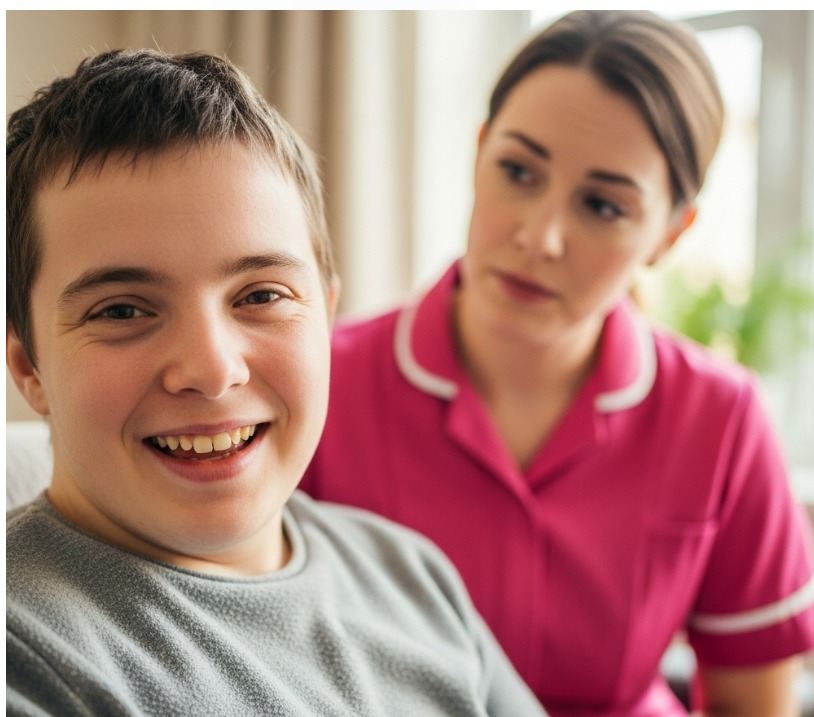
In care work, it’s not just what we say — it’s how we show it.
Whether you’re a support worker, nurse, or participant, non-verbal communication plays a powerful role in how we connect, understand, and support one another.
The Unspoken Language of Care
Non-verbal cues — like facial expressions, posture, and gestures — can often speak louder than words. They reveal emotions, intentions, and needs that might never be spoken aloud.
In the disability support space, recognising and responding to these cues can make the difference between someone feeling truly heard… or quietly misunderstood.
Why It Matters in the NDIS Context
-
1. Building Trust – Consistent, open body language reassures participants and reduces anxiety.
-
2. Improving Understanding – Some participants communicate primarily through non-verbal signals.
-
3. Preventing Misunderstandings – Misreading cues can lead to frustration or unsafe situations.
Practical Tips for Support Workers
- Maintain eye contact (but respect cultural and personal preferences)
- Match your tone with your words to avoid mixed messages
- Be aware of your posture — leaning in can signal attention and empathy
- Notice changes in participants’ non-verbal cues as signs of discomfort or distress
Final Thoughts
Care is a partnership — and like any partnership, it thrives when both sides feel understood.
By paying attention to what’s not said, we can create safer, more supportive spaces for everyone.